隨著人工智慧、感測技術、邊緣運算、控制系統與自動化需求快速發展,機器人正從傳統工業應用逐步走向智慧製造、物流倉儲、醫療照護、服務場域、特種應用與人機協作。近年興起的 Physical AI(實體人工智慧/具身智慧),更進一步強調 AI 不只是存在於雲端或軟體模型中,而是必須透過感測、運算、控制、致動與即時決策,與真實物理世界互動。這使機器人成為 AI 走入實體世界的重要載具,也讓晶片、關鍵零組件與整機系統之間的軟硬體協同設計變得更加關鍵。
台灣具備完整的半導體、資通訊、精密製造與供應鏈整合基礎,如何將既有優勢延伸至機器人專用 IC、邊緣 AI 晶片、感測與致動元件、馬達驅動與電源管理、控制模組、即時運算平台,以及整機機器人系統,將是未來產業升級的重要課題。尤其在 Physical AI 的發展趨勢下,機器人需要在有限功耗、體積與成本限制中,達成高可靠度、低延遲、高安全性與環境適應能力,這也為 VLSI、CAD、系統驗證與異質整合技術帶來新的研究與產業機會。
本座談會將邀請來自學研界與產業界的專家,從 IC 設計、關鍵零組件、感測與控制系統、AI 運算平台、整機機器人及應用市場等不同層面,探討台灣發展機器人產業所面臨的技術挑戰與產業機會。討論議題將涵蓋 Physical AI 對硬體架構與系統設計的影響、機器人專用晶片與邊緣智慧、低功耗與即時運算、感測融合、致動控制、軟硬體共同設計、功能安全與系統驗證、供應鏈整合、人才培育,以及從研究成果走向商品化與國際市場的關鍵因素。
本座談會除了探討臺灣在智慧機器人產業的挑戰及機會外,也期待促進 VLSI/CAD 社群與機器人產業之間的交流,思考設計自動化、晶片技術、AI 運算與機電整合如何共同支撐下一代智慧機器人的發展,並探索台灣在 Physical AI 時代的全球機器人產業鏈中可扮演的關鍵角色。
李昆忠執行長為電機電子工程師學會終身會士 (IEEE Life Fellow) 及國立成功大學特聘教授,現任國立成功大學半導體及永續製造學院約聘教授暨電機系兼任教授。曾任智慧電子國家型計畫科技部召集人、NSOC 國家型計畫專案召集人、台灣積體電路設計學會 (TICD) 理事長、國立成功大學晶片系統研發中心主任,國際測試會議亞洲會議指導委員會主席、亞洲測試會議指導委員會主席、美國史丹福大學訪問教授等。
李昆忠教授為國立臺灣大學電機學士、美國愛荷華大學電機碩士及美國南加州大學電機博士。其研究領域包括超大型積體電路設計與測試、先進製程錯誤診斷、硬體資安、機器人晶片等。近年曾獲得 2025 沈文仁教授紀念獎、旺宏金矽奬、科技部未來科技奬、IEEE 台南分會傑出成就奬等,並獲得多項國際重要會議及期刋最佳論文奬。
身為天使投資人與資安領域專家,池明洋長期深耕量子計算與加密系統,具備豐富的國際合作與產業生態系推動經驗。先後創立「臺灣量子安全產業協會」、「量子安全遷移中心」及「台灣無人機產業技術整合協會」,致力於帶領臺灣產業接軌國際資安標準。
透過量子安全遷移中心,協助多國產業升級至量子安全架構,提供高效解決方案以確保資訊機密性與完整性。此外,更致力於串聯半導體、晶片設計、醫療及 AI 基礎建設等生態系統,跨領域打造符合國家安全戰略之前瞻技術,成功帶領 Chelpis 成為美國及其他國際市場高度信賴的戰略合作夥伴。
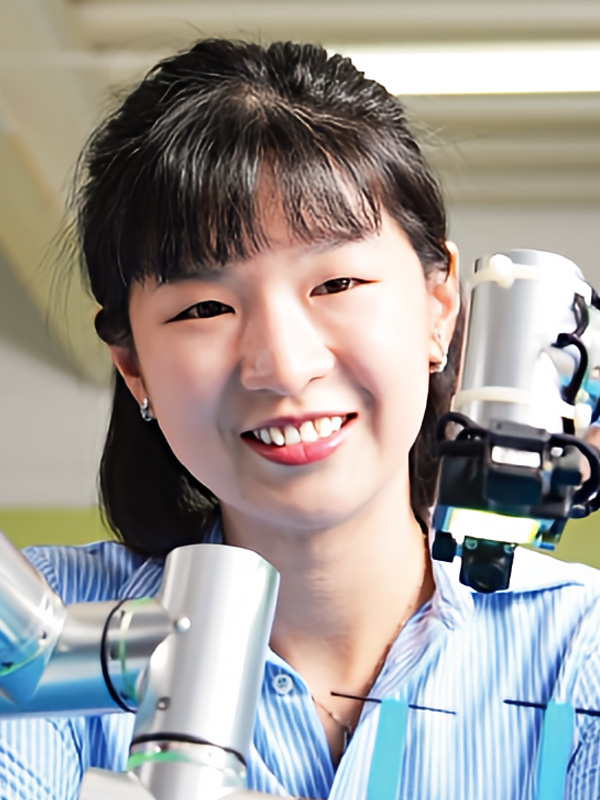
許文璞,現任直得科技股份有限公司特助,負責國內業務及跨部門專案推動。畢業於德國卡賽爾大學(University of Kassel)建築系,具備跨領域整合思維,長期關注機械、自動化、半導體設備及智慧製造等產業發展。
直得科技深耕精密傳動與智慧自動化領域,專注於精密線性滑軌、線性馬達、單軸機器人及運動控制系統的研發與製造,產品廣泛應用於半導體、自動化設備、電子製造、精密機械及智慧製造等產業,致力於以高精度、高可靠性的傳動技術,協助客戶提升設備效能與生產效率。
此次參與 VLSI CAD 研討會,期望透過與產學研各界專家的交流,深入了解積體電路設計、EDA 技術及先進製程的最新發展,並探索精密傳動、自動化設備與半導體產業更多跨領域合作的可能性。
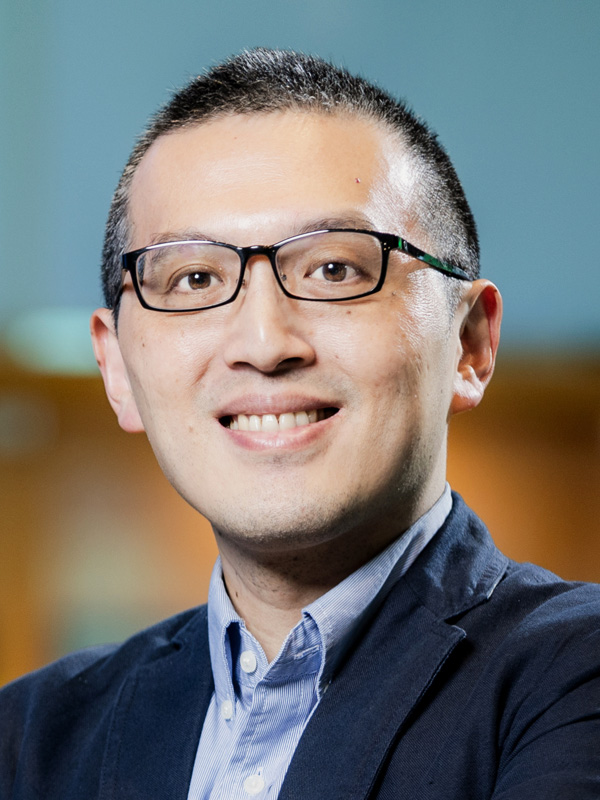
Dr. Ta-Hsin Chou obtained his B.S. and M.S. degrees in Department of Power Mechanical Engineering from National Tsing Hua University, Taiwan in 1999 and 2001 respectively. Then he joined Mechanical and Mechatronics Systems Research Laboratories of Industrial Technology Research Institute (ITRI), Taiwan to start his professional career. During working in ITRI, he received his Ph. D degree in Osaka University, Japan in 2013. He is the General director of ITRI Southern Region Campus now.
He is major in micro and nano manufacturing, precision machinery, smart manufacturing technologies, Robotics and R&D Planning. Many technologies developed by his group are successfully used in machinery, optical, electrical, and metal machining industry in Taiwan. He is currently served as director and member of Taiwan Society for Precision Enginnering (TSPE), Taiwan Society of Abrasive Technology (TSAT), Asian Society for Precision Engineering and Nanotechnology (ASPEN), and International Committee for Abrasive Technology (ICAT) now. He is the active member of industrial society, such as TPCA and SEMI. Based on his activities and contributions, he has won many international and national awards, included R&D 100, Wall Street Journal Technology Innovation Awards, and National Industrial Innovation Award of Ministry of Economic Affairs, Taiwan, etc.
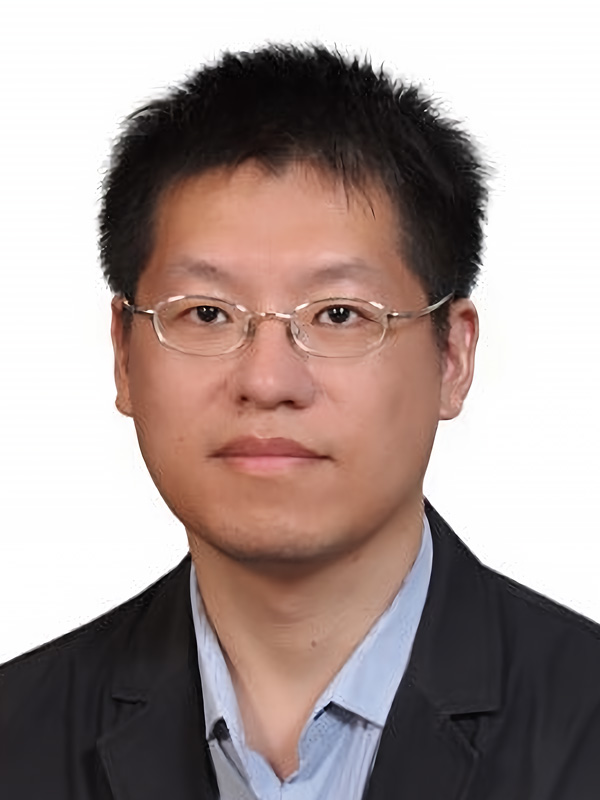
Chia-Hsiang Yang received his B.S. degree in Electrical Engineering in 2002, B.B.A degree in Information Management in 2002, and M.S. degree in Electronics Engineering in 2004, from the National Taiwan University. He received his Ph.D. degree from the Department of Electrical Engineering of the University of California, Los Angeles in 2010. He then joined the faculty of the Electronics Engineering Department at the National Chiao Tung University. In 2015, he moved to the National Taiwan University, where he is currently a Full Professor. His research interests include energy-efficient integrated circuits and architectures for biomedical and communication signal processing.
Dr. Yang was a winner of the DAC/ISSCC Student Design Contest in 2010. He was the recipient of the 2010–2011 Distinguished Ph.D. Dissertation in Circuits and Embedded Systems Award from the Department of Electrical Engineering, University of California, Los Angeles. He was the co-recipient of the ISSCC 2013 Distinguished-Technical-Paper Award and ISSCC 2020 Takuo Sugano Award for Outstanding Far-East Paper. He received the Wu Ta-You Memorial Award from the Ministry of Science and Technology of Taiwan in 2018 and the Outstanding Research Award from the National Science and Technology Council of Taiwan in 2025. He has served on the TPC of ISSCC, Symposium on VLSI Technology and Circuits, A-SSCC, and ISSCC Student Research Preview. He has also served as an Associate Editor of IEEE Journal of Solid-State Circuits (JSSC), an Associate Editor of IEEE Transactions on Biomedical Circuits and Systems (TBioCAS), and a Senior Associate Editor for IEEE Signal Processing Letters (SPL). He was the Advisor for several student awards, including the 2017 ISSCC Silkroad Award and the 2022 A-SSCC Best Student Design Award.
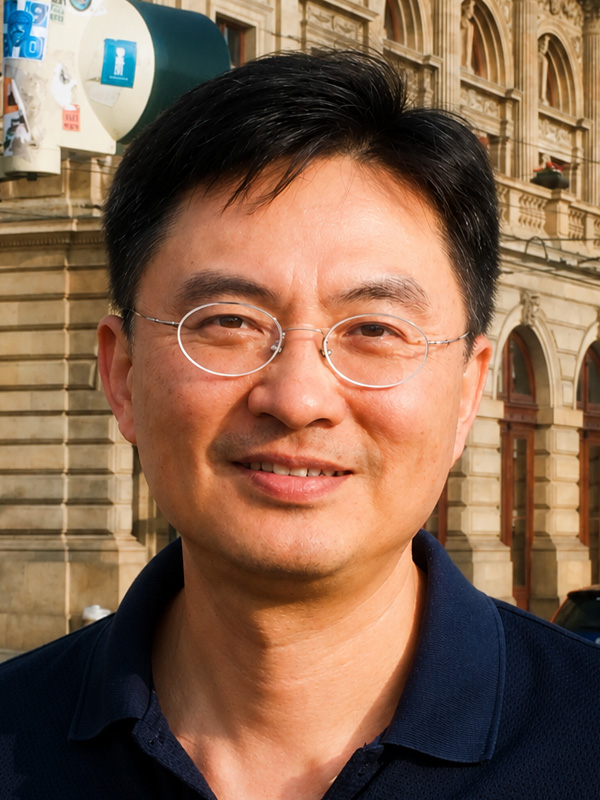
葉廷仁教授於 1996 年取得美國麻省理工學院(Massachusetts Institute of Technology, MIT)機械工程博士學位,1997 年加入國立清華大學動力機械工程學系,現為特聘教授,並擔任國家科學及技術委員會智慧機器人推動辦公室技術領域專家。
葉教授長期投入控制理論、機電整合、智慧控制及機器人系統等領域之研究,研究成果廣泛應用於工業自動化、醫療機器人、自主移動系統、智慧製造及精密機電系統。近年研究重點涵蓋智慧機器人、自主系統、多感測器融合、機器學習、人工智慧控制、穿戴式醫療裝置及人機協作機器人等技術,致力於結合理論研究與工程實務,推動智慧機器人技術之創新與產業應用。目前主持國立清華大學動態系統與控制實驗室(Laboratory of Dynamic Systems and Control, LDSC),並積極參與國內智慧機器人技術發展、政策推動及產學合作,促進智慧機器人關鍵技術與產業生態系之發展。
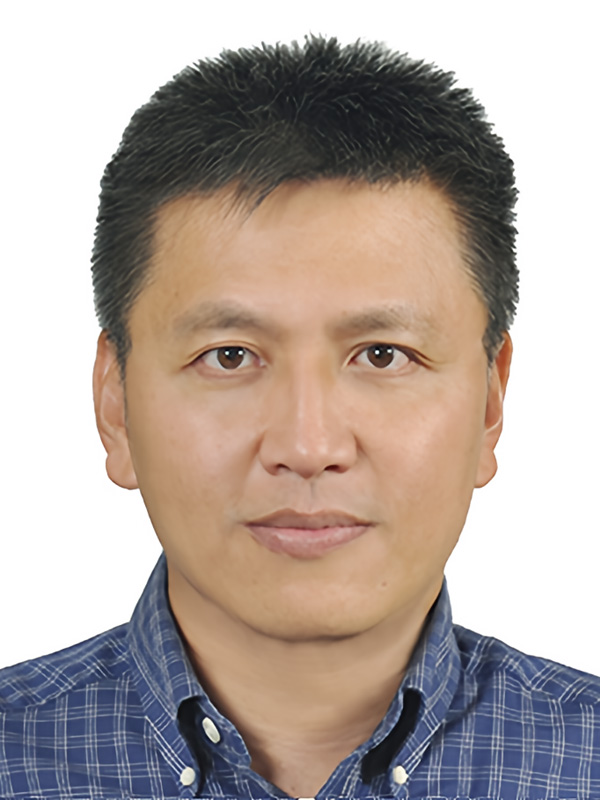
Jenn-Jier James Lien is a professor at the Department of Computer Science and Information Engineering (CSIE), National Cheng Kung University (NCKU), Taiwan. Since 2014, his research team has started to develop deep learning for computer vision as the basis technology and applied it to three cross-field industry-university collaborative research areas: 1) Smart manufacturing, consisting of 2D/3D automatic optical inspection, vision-guided robot arms and mobile robot controls. 2) Sports technology for a smart sports stadium consisting of free viewpoint from crowdsourced streams, 3D trajectory analysis of player and ball movements, and tactical analysis. 3) The federated learning platform for LDCT nodule detection and classification across three hospitals.